Protected by Copyscape Website Copyright Protection

Tuesday, August 12, 2014

மஹாம்ருத்யுஞ்ஜய மந்திரம்


இது மஹாம்ருத்யுஞ்ஜய மந்திரம் என்ற பெயருடையது. ருக் வேதத்திலும் (7.59.12) யஜூர் வேதத்திலும் (1.8.6.i; VS3.60) காணப்படுகிறது. இம்மந்திரத்தைக் கண்டறிந்தவர் மார்கண்டேய முனிவர். இது முக்கண்களையுடைய சிவபிரானிடம், சாகாமையை  வேண்டுவதாக அமைந்துள்ளது.
ஓம் த்ரயம்பகம் யஜாமஹே ஸுகந்திம் புஷ்டிவர்தனம் l
உர்வாருகமிவ பந்தனாத் ம்ருத்யூர் முக்ஷீய மாம்ருதாத் ll

சொற்பொருள்:-
ஓம் = ஓம்; த்ரயம்பகம் = முக்கண்ணுடையவரே; யஜாமஹே = நாங்கள் உம்மை யாகத்தினால் பூசிக்கிறோம்; சுகந்திம் = நறுமணமும் (எல்லா வளமும்); புஷ்டி = ஊட்டமும் (எல்லா நலமும்); வர்த்தனம் = பெருகும்படியாகச் செய்பவரே; உர்வாருகம் = வெள்ளரிப்பழம்; இவ = போல; ம்ருத்யோர் = (என்னை) இறப்பின்; பந்தனாத் = பிடியிலிருந்து; முக்ஷீய = விடுவித்து; மா = எனக்கு; அம்ருதாத் = இறவாமையை அருளும்.

மந்திரத்தின் பொருள்:-
ஓம் முக்கண்ணுடையவரே! எல்லா வளமும், எல்லா நலமும் பெருகும்படிச் செய்பவரே! நாங்கள் உம்மை யாகத்தினால் பூசிக்கிறோம். வெள்ளரிப் பழம் போல, என்னை இறப்பின் பிடியில் இருந்து விடுவித்து, எனக்கு இறவாமையை அருளும்.

விளக்கவுரை:-
ஓம் என்பது எல்லா மந்திரங்களுக்கும் பொதுவானது. அதைத் தனியாக உச்சரிக்க சன்யாசிகளுக்கு மட்டுமே உரிமையுள்ளது. ஆகையால், மற்றோர்களும் அதை உச்சரித்துப் பயன் பெற வேண்டும் என்பதற்காக, அந்த ஓரெழுத்து மந்திரம் அனைத்து மந்திரங்களுக்கும் முதலில் உச்சரிக்கப் பெறுகிறது. இங்கும் அதுவே பின்பற்றப்பட்டுள்ளது.

சிவபிரானுக்கு மற்ற பல அங்க அடையாள, அணிகலன்கள் இருக்க, இங்கு அவர் முக்கண்ணரே! என விளிக்கப்படுகிறார். காரணம், மற்றெந்த தெய்வத்திற்கும் இல்லாத இந்தச் சிறப்பை உடையவரே, மற்றெந்த தெய்வத்தாலும் அளிக்க இயலாத, பின்னால் கேட்கப் போகும் (இறவாமை என்ற) வேண்டுகோளை நிறைவேற்ற சக்தியுள்ளவர் என்று சுட்டிக் காண்பிப்பதற்காகவே ஆகும். மூன்றாவது கண்ணால் காமவேளை எரித்தவருக்கு, அதேபோல, யமனை எரிப்பது ஒரு பெரிய காரியமல்ல என்று கூறுவதுவும் ஏற்புடையதே.

சிவபெருமான் காரணமின்றியே, அவர் மீது பக்தி இல்லாவிடினும், அருள் செய்து (இதற்கு வடமொழியில் ’அவ்யாஜ கருணா’ அல்லது ’நிர்ஹேதுக க்ருபா’ என்று பெயர்), நறுமணத்தையும், ஊட்டத்தையும் அளிக்கிறார். அவர் மீது நமது பக்தி கூடக் கூட, அவற்றை அதிகரிக்கச் செய்பவர் என்பதையே ’வர்தனம்’ என்ற சொல் உணர்த்துகின்றது. நறுமணம் என்பது மனமகிழ்ச்சி, போன்ற உள்ளம் சார்ந்த வளங்களையும், ’புஷ்டி’ என்பது  உடலுடன் தொடர்புடைய நோயின்மை, சுகம் என்ற நலன்களையும் சுட்டுகின்றன. வடமொழியில் ’யஜனம்’ என்றால் யாகம் செய்தல் என்று பொருள். பொதுவாக பூசிப்பது என்பது பொருளானாலும் சிறப்பாக யாகத்தால் பூசிப்பதையே குறிக்கிறது.

மரத்தில் ஏற்றி விடப்பட்ட வெள்ளரிக் கொடியில் காய் காய்த்துப் பழுக்கிறது. பக்குவம் வந்தவுடன் பழம் கொடியிலிருந்து விடுபடுகிறது. நிலத்தில் விழும் அதற்கு என்ன நேருகிறது?  அதே கொடி நிலத்தில் படருகிறது, காய்க்கிறது, பழுக்கிறது. பழம் எடை கூடுதலாக இருப்பதால், பக்குவம் வந்தவுடன், பழத்திற்குச் சேதமில்லாமல், கொடி பழத்திலிருந்து விடுபடுகிறது. அந்த நிலையே இங்கு விளக்கப்பட்டுள்ளது. நம்மைப் தன்பால் பிணைத்து வைத்துக் கொண்டுள்ள இறப்பு, நம்மிடம் இருந்து விலக அருள் புரிய வேண்டும் என வேண்டப்படுகிறது. வெள்ளரிக்காய் பழுத்த உடனேயே கொடி அதை விட்டுப் பிரிவதில்லை. பக்குவம் வர வேண்டியதுள்ளது. அதுபோல, சாகாமையை வேண்டினாலும் பக்குவம் வரும் போதுதான் அதை அடைய முடிகிறது. அதுதான் குருவருள். இறையருள் கிடைத்தாலும், குருவருளின்றிக் காரியம் கை கூடாது என்பது இங்கே, அதாவது பக்குவம் வந்தபோது தானாக விடுபட்டுப் போகும் கொடியினால், குறிப்பாக விளக்கப்பட்டுள்ளது.

இறவாமை என்றால் என்ன? பிறந்த உடனேயே சாவதும் உறுதி. எவரும், எதுவும் நிலையல்ல; அப்படியிருக்க இறவாமையை எப்படி வேண்டிப் பெற முடியும்? இறவாமை, இப்பொழுது எடுத்துள்ள இப்பிறவியில் அல்ல. இனிப் பிறந்து-பிறந்து, இறந்து-இறந்து இளைக்காமல் இருப்பதுவே வேண்டப்படுகிறது. அதற்கு இம்மனிதப் பிறவி ஒரு கருவியாக இருக்கிறது. இம்மாதிரியான மந்திரங்களைச் சொல்லி, கேட்டு, சிந்தித்து, உணர்ந்து பயன் அடைய முடிகிறது.


எந்த மந்திரத்தை உச்சரித்தாலும்,  அதற்கேற்ற பயன் கிடைப்பது உறுதி. அதில் ஐயமில்லை. ஆனால் ஒலிநாடா சொல்லிக் கொண்டிருப்பது போலன்றி, அதன் பொருளறிந்து சொல்லுவது, பன்மடங்கு பயனை, உடனே அளிக்க வல்லது.        

- எழுதியர் ஸ்ரீ சாஸ்தா கோபால், கோவிந்தபுரம்

Sunday, August 10, 2014

Kamokarsheet Japam and Seshadri Swamigal

Today is Avani Avitam (Shravana Poornima) and its Upakarma for people belonging to Yajur Vedha. Rg and Sama Vedhis will be having their upakarmas subsequently.  

While performing the Upakarma how many of us try to understand the significance of the Upakarma and various aspects of Upakarma?

I was really glad when my dear brother Anand questioned me about one important part of the Upakarma  ie Kamokarsheet Japam

If we can observe carefully, the actual process of Upakarma starts with Kamokarsheet japam. Many of us just like that take it easy and do the Kamokarsheet Japam (though prescribed count is minimum 1008, most of the people do 108, 28 or even 11) 

On the upakarma day, a Praayaschittam (expiation) is performed on two counts - to pardon the sin of learning Vedas in the prohibited period of the year and a special request to pardon all the sins committed by them during the year. With this sankalpam we perform the Kamokarsheet japam.

We need to understand the very essence of the whole Karmic formula of Hinduism (or rather the human race ) lies in this Kamokarsheet Japam. Thats the reason its kept as a part of our Nitya Sandhyavandham and a special japam is suggested on the Upakarma day.

What is the purpose of doing this japam 1008 or 108 times?

Its not only a chant, but a great prayer or declaration to contemplate. 

As part of our life in this world, knowingly or unknowlingly, voluntarily or invluntarily we commit sins. Every action has an equal and opposite reaction. And this is the basic law for Karma and because of this, we all are bound by Karma. Kamokarsheet is a confession for all the sins committed by us during the year prodded by Kama and Manyu, avarice and anger. 

The Kamokarsheet Japam is orginally from the Mahanarayana Upanishad. 

In the mantra Kamoekarsheet Manyurakarsheet’ Namo nama:" -  both Desire (Kama) and Anger (Manyu) are raised to a special  status and salutations is given to them. Even gods are bound to  these qualities.

‘Kamokarsheet’ in Sanskrit means ‘those acts that are out of desire’.‘Manyurakarsheet’   means “those acts that are committed out of anger”.

It reminds us of all our sins and make us understand that  it is lust & anger that are the root cause of all our misdeeds, thus reminding us to be careful and vigilant.

An incident from the life our Gurunathar Seshadri Swamigal proves the importance of Kamokarsheet Japam for spiritual aspirants.

During his younger days at Kanchipuram, Swamigal was always engrossed in continuous and vigorous Japa and prayers. 

Many great scholars at Kanchipuram were always surprised to see the small boy sitting in the corner of the temple and murmuring something. 

Once, they all decided to question the boy and get an idea about what he is doing all these days.

They all went to Swamigal and called him.

"Oh Boy ! What are you doing" - they asked Swamigal

An immediate reply came: 
" I need to get rid of my Karma ; So Iam doing Japam for that"

The scholars never expected such a mature reply from a small boy. 

"What are you chanting for this purpose?"

Swamigal again gave an astounding reply  : 


"Kamokarsheet namo namah: Kamokarsheet
kamah karoti naaham karomi
kamah karta naham karta
kamah kaarayitaa naham kaarayita;
Esha the kaama kaamaaya swaha:

Manyurakaarsheet namo namah: Manyuh akaarsheet
manyuh karoti naham karomi
manyuh karta naham karta
manyuh kaarayita naham kaarayita;
Esha the manyo manyave swaha:"

Ive completed half my target, Iam yet to complete few more to get rid of my Karma.

He then explained the significance of the statement and also its actual meaning.

"Desire performed the act. Desire did the act. Desire is doing the act, not I (Self). Desire is the agent not I. Desire causes the doer to act not I. O Desire, fascinating in form, let this oblation be offered to thee, Hail!

Anger performed the act. Anger did the act. Anger is doing the act; not I. Anger is the agent; not I. Anger causes the doer to act; not I. O Anger, let this oblation be offered to thee. Hail! " 

The small boy suggested the veteran scholars 
"Dear Sirs, even you people start chanting this; Only this can kill karma. And without getting rid of Karma how can you qualify for Moksha (salvation) ?"

"Kaamah Karoti Naaham Karomi ; Kamoekarsheet Manyurakaarsheet’ Namonama:"

Thursday, July 24, 2014

Result of Devaprasnam: Sasthalaya Sevanam


Result of Devaprasnam: The Lord is very happy about the re-instation


We have been doing the Sasthalaya Sevanam - renovationg dilapidated Sastha Kshetrams.
(For those who are new you may visit here http://shanmatha.blogspot.com/2010/09/sasthaalaya-sevanam-movement-for.html) for the past 3 years...

Ive already written about our involvement with this temple ( Details given here : http://shanmatha.blogspot.in/2014/05/sasthalaya-sevanam-kiratha-sastha.html )

After completing the the mandapam and the Srikovil, we wanted a deva prashnam to be conducted. Only after knowing the willingness of the Lord, we wanted to venture into Vigraham and Pratishta and Kumbabhishekam. 


 The Devaprasnam was scheduled on 23rd June 2014 at the same Sree Vettakorumakan Temple premises.


Our friend Shri.Anish Krishnan Nair who suggested us regarding this temple and ourselves first went to the Krishnan Temple where the present thidambu of Lord is placed and is worshipped. We wanted to get permission from the Lord before initiating the restoration.

As a positive nimitham we were welcomed with the temple's Swami's Seeveli Vigraham. Immediately after this we went to the Kiratha Sastha temple spot and did a pooja to Lord Kiratha Sastha to mark the beginning of the Deva Prashnam. Then Puja was offered to Ganapati, Dakshinamurty and Subramanya and the Rasi devatas (Planets). The Devaprasnam started with the mangalya vasthus given to  the hands of a small girl and she was asked to put those in anyone of the 12 houses after doing puja of Rasi Chakra.   

The devaprasnam, began at 11.00 am after placing a ‘swarnaaroodham’ in ‘Kanya rasi'.The presence of the Lord was very clear and unmistakable - the Lord is Sastha in the form of a hunter ie Vettakorumakan. He is of full power but His full 

potential is yet to be manifested. The presence of the sub-dieties were also made clear. Ganapathy and Bhadrakali was identified and two separate shrines had to be installed. Two sankalpa peetams for Madan and Yakshi was also identified (But no praishtai is required).

The Astrologer Kamalasanan Nair, who headed the devaprasnam, suggested that the Devaprasnam revealed the irregularities and loss of divinity due to the various reasons.

Lord’s displeasure poured out aplenty in the beginning. The Lord is unhappy with the past and present happenning in the temple. But  He is very happy about the future and hence its HE who has initiated the process.

The prashnam also revealed that whoever involved in the devevlopment of the temple without any expectations, will prosper in their life.

Lord Nod for New Vigraham

The present thidambu of the Lord (Kiratha Sastha) is very old and damaged and the Lord favored our request to replace it with a new Stone idol. When the same question was raised about Bhagawati, the Lord refused for an idol but to maintain a Kannadi Bimbam for Bagawati. But permission was given that the Kannadi may be replaced with a new one as the present bimbam is broken. Also a new stone idol has to be installed for Ganapati - with a vlampuri trunk.

The devaprasnam also found that the Lord is not favorable to the mandapam built some few years ago, but there is nothing wrong if the Srikovil's roof and kalasam is raised above the mandapam.

The Lord favored a barricade separating the mandapam and the Srikovil.

It was revealed that the neivedhyam done to the Lord so far had some impurities and ashuddis which had to be immediately rectified.

The devaprasnam disclosed that the deity had a lot of wealth in the yester years and was taken away by many in due course of time. The next stage of Devaprasnam, predicted few robbery and untimely death to the people who have usurped the Lord's property and that would have seriously affected them - this was later confirmed by the villagers.

Meanwhile, the Devaprasnam also listed out certain special poojas to be performed to cleanse the temple and to appease the Lord.‘special pooja’ be conducted to Lord Shiva and Mahavishnu in the nearby temples. Also, special poojas should be offered at the Sarpakavu of Uma Maheshwara Kshetram every Ayilyam.

Finally the devaprasnam got the deity’s approval for the overalll renovation schemes planned for the temple. It was once again made clear that the Lord is happy about the present happenings and He is ready to bless the devotees who takes part in this venture.

Shri Kamalasanan Nair, Parvathipuram Shri. Anish Krishnan Nair and Anandhan Nampoothiri participated in the ritual.

Devaswom Board Srikaryam, members of the temple committe, members of Shri Maha Sasthru Seva Sangam, the village people and few more astroloers were present.

Vettakkorumakane Sharanam Ayyappa !!

Thursday, July 10, 2014

"Shri Maha Sastha Stuti Mala"


Swami Sharanam

The members of Shri Maha Sasthru Seva Sangam has brought out an Audio Cd on Lord Ayyappa titled "Shri Maha Sastha Stuti Mala" . The CD was released during our Sastha Preethi Mahotsavam on June 2014.

Ancient scriptures and texts praise Lord Hariharaputra as Lord Kalau Sasthru Vinayakau - Pratyaksham Tu Kalau.

The are various vibrant stuits and stotras which praise his glory in several ways. among them, a few rare stutis are compiled in this volume.

Listening to slokas about Lord Sastha - Pratha Smaranam, Suprabhatham, Different Dhyana slokas of the 16 different forms of Sastha brings good things to your home. Sasthru Stavaraja Stotram - the king among the stutis of Lord Sastha is a feast to the devotees. Hariharaputra Sahasranama, Ashtotram and Kavacham lifts the spirits of the devotees.

These prayers will please Lord Bhuthanatha and he will grant us health, wealth, prosperity and Salvation.

This is dedicated to the Lotus feet of Sri Gurunathar and Poorna Pushkala samedha Sri Bhakthaparipala Maha Sastha

The noble mission of recording this Audio CD is to propagate the Stotras of Lord Sastha.

The cost of the CD is Rs.70/-

For copies of the CDs, contact :
Shri. Shrivibhavan Ph: 9487019489

Wednesday, May 7, 2014

Sasthalaya Sevanam - A Kiratha Sastha Temple at Nagarcoil


Lord Sastha is celebrated as Loka Veeram and Mahapujyam. Among his various incarnations, his Veera form is known as Kiratha Sastha or Vettakkorumakan.

Among many of his ancient temples, this temple located at Nagarcoil dist. (Yester year's Kerala and todays Tamilnadu). So there is a mix of both Tamil and Malayalam culture in this place. Originally the temple was located inside dense beetle nut grove. Some years back, the original Kiratha Sastha and his sub-deities were removed and balalayam was made in a nearby temple. All these happend some  generations back. After so many years, till date the deities Ganapaty, Kiratha Sastha and Badrakali are living as a guest inside another temple.

Our friend and eminent writer, Shri.Anish Krishnan Nair suggested us regarding this temple and on behalf of Maha Sasthru Seva Sangam - we are now involved reinstating the Lord to his original place. 

We have been doing the Sasthalaya Sevanam - renovationg dilapidated Sastha Kshetrams.
(For those who are new you may visit here http://shanmatha.blogspot.com/2010/09/sasthaalaya-sevanam-movement-for.html) for the past 3 years...

We had a great difficult job in identifying the temple. Lord Kiratha Sasrga only recently disclosed His presence. The records showing 3 acres out of which 2.4 acres are now under encroachment. The devaswom board also came forward to support us.

Situated in a lush, green milieu at the banks of Tamraparni river, this temple is located at a beautiful place - a place of serene divinity. Iam sure this might have been associated to some ancient history of Parasurama Kshetram.

Now a mandapam and the Srikovil is almost ready inside the temple compound. Soon we will be conducting a deva prashnam; After knowing the willingness of the Lord, a new Vigraham and Pratishta and Kumbabhishekam will be planned.

At this juncture, when we are doing Kiratha Maha Rudram - I personally feel that its the divine will of Lord Sastha that he gave us the opportunity to serve  his same form of Vettakkorumakan.

We are really happy that we could serve these deserving temples and it gives a sense of satisfaction.
Vettakkorumakane Sharanam Ayyappa !!


Wednesday, April 30, 2014

Audio Recording - Question Answer Session


Swami Sharanam

Our Friend Shri.N.S.Kumar have recorded my  upanyasam at Mulund Bhajan Samaj , December 2013. Apart from the Hariharaputra Sapthaaham, we had few question answer session. The audio recordings of that day is uploaded.

Ive answered the questions raised on that particular day within the time frame.

The content is as follows:-

01 What is the meaning of iru vinai.mp3
02 Who should perform the Mala Dharnam on first day of Vratam.mp3
03 What is the significance of ghee  in the coconut Can one take more than one mudra thengai.mp3
04 Kettunarai-Some do at home, Some do at Pamba Is it Right or Wrong.mp3
05 Significance of 18 steps.mp3
06 Please explain Shastha's swaroopam.mp3
07 Who is big - Vishnu or Shiva.mp3
08 Eight Avataram Eight Swaroopam.mp3
09 Relation between  Kambankudi and Shastha.mp3
10 Meaning of Samstha Aparada Rakshane.mp3
11 Is Murugan Anna or Thambi of Shastha.mp3
12 Can ladies sit for Ayyappa Laksharchana.mp3
13 About Noorni Shasthapreethi.mp3
14 Can ladies chant rudram.mp3
15 Is vratam compulsory.mp3
16 Shraadham after mala dharanam.mp3
17 On the way to Sabari malai yatra, we pick stone and put it another location, explain.mp3

The link to access these files is https://drive.google.com/folderview?id=0B3iXkPbpbdowcm5ZUEpWOFk2bDA&usp=sharing

The link is a public link hence anyone can access it.

My Special thanks to Shri.N.S.Kumar once again

Swamy Sharanam
Bhaktaparipala Paadha Renu
V.Aravind Subramanyam

Friday, April 25, 2014

Appeasing Sastha : Theory Text And Practice Of Sastha Preethi In South India


My Special article given for Journal of Indological Studies

Appeasing Sastha :
Theory Text And Practice Of Sastha Preethi In South India


Shri Maha Sasthru Priya Dasan
V. Aravind Subramanyam, (Sastha Aravind)
President, Shri Maha Sasthru Seva Sangam
Thejovathy, 94 B, Third Street, Tatabad, Coimbatore 641012
Ph:(0)99946 41801 Email: aravindsai@gmail.com


Sabarimalai Yatra, Ayyappa Pooja and Sasthapreethi are the three, most well known events that please the Kaliyuga Varadha Swami Shree Dharma Sastha. For a Ayyappa devotee the chanting of the celebrated three words is everything - " Swamiye  Saranam Ayyappa" – Oh Lord Ayyappa, I come to Thee for refuge. The high and low meet on equal terms in the presence of the Lord who is known as Dharmasastha – one who teaches and upholds dharma. 

Sasthapreethi is a time tested mode of worshipping Lord Dharmasastha in a very religious way by various samoohams and organizations in and around Kerala, and now in all parts of the country and abroad.  The religious pooja is given more importance followed by Annadhanam.

One should not confuse Sastha Preethi with Ayyappa puja or Sabarimalai Yatra; Sastha Preethi in a unique and different form of worship which has its own methods and procedures.

Origin :

The spreading of Sastha Preethi as a cult (other than Kallidaikurichi) dates back to three centuries.

Over 300 years ago a handful of enterprising men, started from a village called Kallidaikurichi,(Tirunelveli district). Their aim was to establish some business and improve their material prospects.

The Karandhaiyar palayam Samooham (of Kallidaikurichi) situated on the banks of river Thamirabarani, was the origin of a concept called Sastha Preethi. Consisting of 18 Agraharams, Kallidaikurichi was in the western ghat region, it was the border of Chera and Pandya Kingdoms in yester years. Sastha was the beloved deity on both sides of hills. Kallidakuruchi had a temple for Sastha.

Lord ‘Manikandan’ (during his human incarnation) had come to this village and had called at the house of an old couple for some food. The Lord felt very happy with their hospitality and became "Kambankudi Daasan". People started celebrating the Lord and thus began the glorious Sastha Preethi through the Kambankudi family who hailed from Kallidakuruchi.

When the people of Karanthaiyar palaya samooham, moved out from Kallidaikurichi towards Kerala in search of a new life, Lord Sastha promised that He would accompany them.

Passing through hills and forests they underwent many hardships, but could overcome everything by the grace of Lord Dharma Sastha. They understood that the divine blessing of Lord Hariharaputra was following them. First they settled in a place between the present Mavelikkara and Kayamkulam. But they were not happy and were suffering with a sense of insecurity there… From there few groups settled at Kochi, Few at Paravoor and another pocket at Trivandrum.

Vanji paattu

Those days the geographical setup and main transport was water way. When the first Brahmin settlement went to Kochi, Vanchi Pattu (the boatmans song) was developed on the rivers and backwaters, sung by boatman on voyages to keep up their spirit. So selected few Sastha Preethis have Vanji Paattu as a part of their ritual. Singing on a typical folk tune, the glory of their Saviour  - Lord Sastha is praised.

From Kallidaikurichi, Kochi and Paravoor, the concept of Sastha Preethi got widespread among the Brahmins who settled in and around Kerala. Sastha is praised as “Paradesi Kavalan”  - one who protects a person of a foreign land  in short Helper to the helpless. This system further spread to Palakkad, Trichur , Ernakulam districts of Kerala and Tirunelveli, Kanyakumari and Nagarcoil districts of Tamilnadu.

The meaning of the name Sastha Preethi is ‘appeasing Lord Dharma Sastha’ by pooja, songs and mainly by offering sumptuous feast to His devotees.

Though there is no standard written text for the procedure and methods, it is a customary practice that is being followed in all the places.

There may be slight variations on the pooja and procedures followed at various places of Sastha Preethi by different persons, but the underlying principle is same.

Generally the pooja on Sasthapreethi day comprises of Mahaganapathi Homam, Mahanyasa Japam, Rudrabhishekam, Rudra Kramaarchana, Sastha Avahanam,  Pooja, Sastha Sahasranamarchana, Deeparadhana, Chaturvedaparayanam and singing of traditional  Sastha Paattu songs.

Choosing the Day and Pooja practices:

Generally traditional samoohams have a fixed date for their Sastha Preethi. A convenient day is always chosen well in advance. It is a traditional practice that it’s always a Saturday. But the other aspects of the day are scrutinized so that it doesn’t hinder the feast and oil bath. (For example days like Ekadasi, Amavasai are excluded). The persons who are invited as representatives of the Lord - should compulsorily take an oil bath on the day of the event.

Regarding the pooja methods - Vaidheeka or Thanthreeka or Mishra pooja is used for Sastha Preethi according to the location. The priest invokes Lord Ganapathi, Ambal and Dharma Sastha and His attendants (Parivara Devathas) on tall brass lamps decorated tastefully.

The positioning of the Lamps varies from place to place. Sastha lamp always occupies the centre. All other lamps have fixed places with respect to the main lamp.

Kallidaikurichi and Paroor have Guru and Ganapathy on either Side of Sastha; Whereas Kochi has Ganapathi and Chellapillai on the either side. In few places all other Parivarams like Karuppan, Kaduthan etc are placed on the left side of the Lord and Yakshi or Devi swaroopams are seated on the right side. But a separate South facing lamp is compulsorily placed for Boothanatha Swami who controls all the parivaras.

Other than the traditional samoohams and in neo-Sastha Preethis, there is a common placement of Ganapathi and Devi on either side of Sastha.

It is also a practice that Sastha Lamp is lit with ghee and all others are lit with sesame oil.

Proper, procedural, detailed pujas are done to the Lord according to the Kalpam. Upacharas, Avarana Puja and other poojas are done which is followed by Kramarchana or by Sahasranama Archana. ( Pancha / Ashta / Nava Avarana puja is done to Sastha as per the school of thought. Texts like “Dharma Sasthru Pooja Kalpam” of Bala Dhandayudhapani Swamigal, “Maha Sasthru Pooja Kalpadhrumam” – attributed to Adhishankara, Dhakshinamnaya Pooja etc are used. We follow a method of Navavarana puja to Sastha which is in line with Srividya Navavaranam)

Shanka pooja plays an important role in Sastha Preethi. The people who get into trance are invoked with the Lord’s grace through this Shanka theertham.

The specific neivedhyams like Chathachayam Payasam, Ellurundai, Neiyappam are compulsory for a Sastha Preethi. And in general the entire Payasam in which vessel it’s made - is brought in front of the Lord.

Varavu Paattu

After the detailed puja, neivedyam and deeparadhana followed by mantrapushpam a detailed Veda Parayanam is made. After appeasing the Lord with Vedha gosham, the traditional Sastha paattu (Varavu Paattu – inviting Songs) songs are sung.

All these Varavu songs are written by a poet named Manidasa who lived around some 150-200 years ago.Tamil poet-saint Arunagirinathar is considered as the Gurunathar of all devotees of Lord Muruga. Likewise Manidasar, a descendant of the Kallidaikurichi (Kambangudi) family lineage, is considered as the universal Gurunather of all devotees of Lord Sastha. Manidasar has sung several hundred songs in praise of Lord Hariharaputra – which are sung during the Sastha Preethi.

For each and every event of the pooja he has rendered songs and poems called Viruttams.

He has also sung five group songs, each group consisting of five vrittams. These are known as “Kulaththur Panchagam, Aryankavu Panchagam, Achchanaar Panchagam, Muththayyan Panchagam and Sabari Panchagam.

Several songs of Manidasar register the glories and history of Lord Sastha. His songs are rich with emotive beauty with meaningful words and with a perfect symphony.


There are very few well versed singers in Kerala and in Tamilnadu. These singing follow a tradition and starts from Ganapathi. Manidasar’s songs are there in Chaste Tamil in praise of Lord Dharma Sastha inviting Him. Songs invoking Ganapathi, Shastha, Chellapillai, Yakshi, Sangili Bhoothathan and other Parivara Devathas are sung. 

(Though not compiled into a perfect text format, hundreds of songs of Manidasar are sung in various parts of South India during the occasion of Sastha Preethi. We on behalf of Shri Maha Sasthru Seva Sangam, have tried to compile few songs of Manidasar and have released a book titled “Sampradhaya Sastham Paattu in the year 2009)

Sthanikas and their Trance:

While singing, the traditional upasakas or Sthanakaras of the respective deities gets into a trance and gets the supreme power invoked within them. In General Sastha, Chellapillai, Yakshi and Boothathan are the deities who are invited. Very rarely a place is given to Karuppan or Maadan.

Before the singing starts, eleven or more plantain leaves (Nuni elai)  are bundled and decorated with sandal paste, kumkum and flowers and kept in the sannidhanam of the Lord during the pooja . All the ayudhams of Lord Sastha and the Parivaras are also placed near the main lamp.

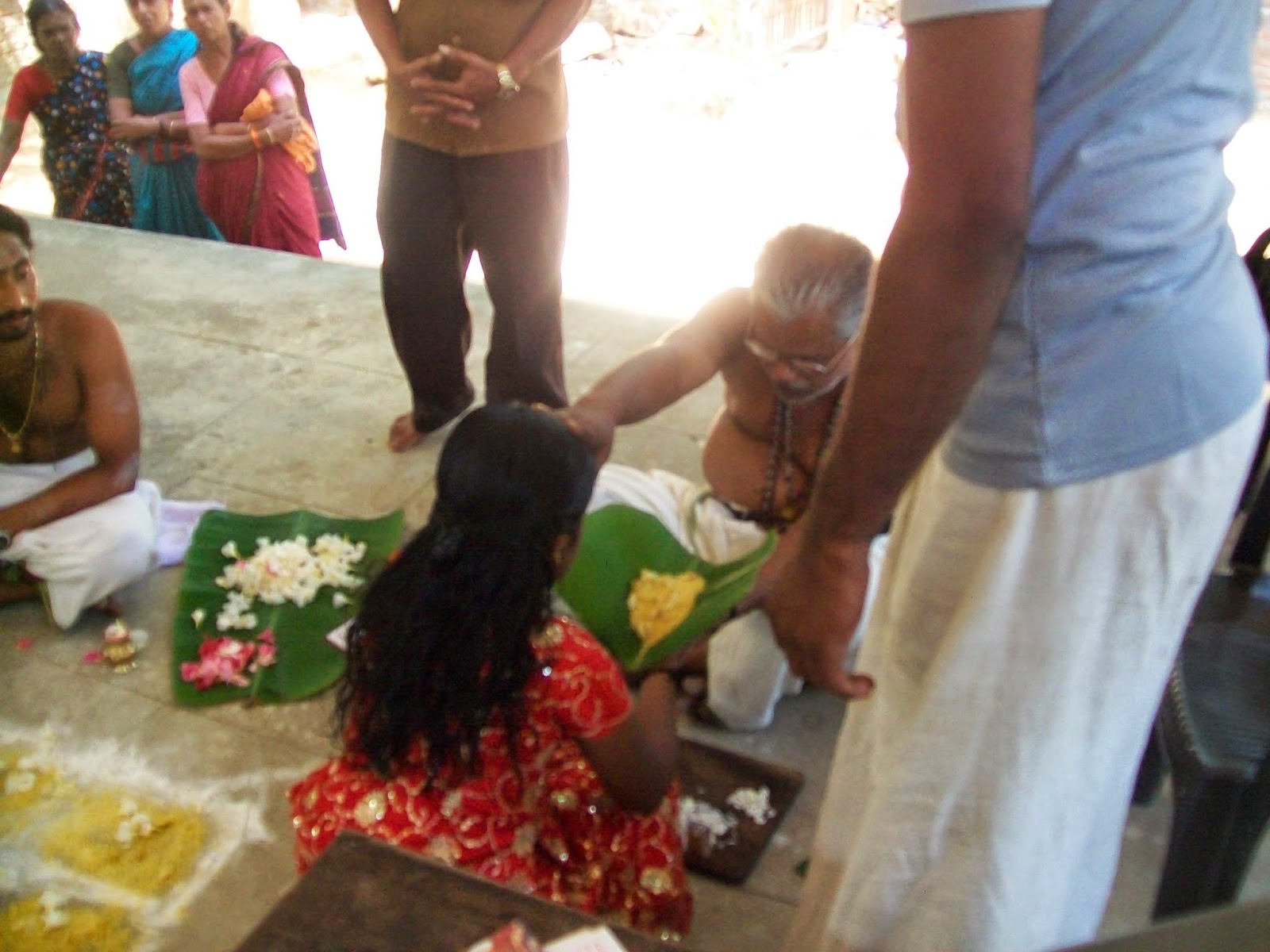
A wooden plank is decorated with Kolam and placed before the Lord. In few places the peeta puja of the respective deities is done to the wooden plank. These Sthanikas (or Komarams as addressed by local people) who get into trance sit on this wooden plank.

It’s a customary practice that the moolamantram of Sastha is enchanted on Punugu (Civet) and handed over to the Sthanikar of Sastha. Once he gets into trance, he in turn hands over similar enchanted Vibhuti to Chellapillai and Boothathan, Kunkumam to Yakshi and Manjal (Turmeric) to Karuppan. Similarly the person with the trance of Lord Sastha accepts all the ayudhams from the priest and gives the respective ayudhams to the respective deities (in trance).

These Sthanikas are offered respect by the devotees and upacharas are done to them. They are seated on the wooden plank and abhishekam is done to them. They are decorated with garland, sandal paste and kumkum.

They bless the devotees with prasadam and convey the deity's satisfaction in the conduct of the Sasthapreethi.

The plantain leaves are handed over by the representative of Lord Sastha along with vibhuthi prasadam to the person organizing the pooja.   Only after this ritual, prasadam, the food is served to the public. 

The Lord conveys his message for the days and confirms his satisfaction about the Sastha Preethi conducted. People prostrate before him, get blessed and receive Vibhoothi as prasadam.

Once the sthanikas come out of their trance, they offer back the respective ayudhams to the priest and prostrate before the Lord and accept the shanka theertham.

The Lord accepts any form of worship with devotion and dedication and to those who cast their ego and with absolute surrender and purity prayerfully calls out to Him. He is always there, ever ready to take them under His benign shelter and bestow upon them health, wealth, happiness and prosperity. This is very well seen during the Sastha Preethi festival. This is an occasion where one directly gets the grace of the Lord.